
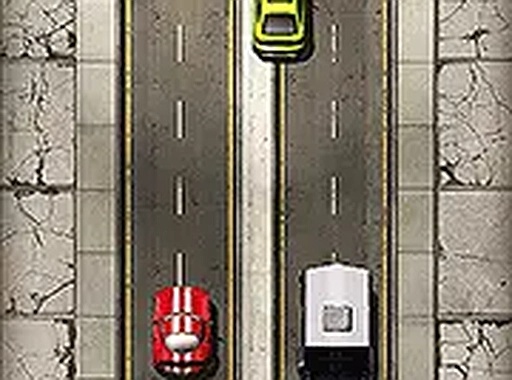
Core Driving Challenge
Traffic Flow Pilot drops players into a continuous stream of vehicles on a multi-lane road. The primary objective is straightforward: steer your chosen car to avoid the other vehicles that appear ahead. Success depends on quick observation and timely lane changes. The game presents a pure test of reaction speed, with no complex rules or menus to slow you down. Each session offers a fresh opportunity to improve your reflexes as traffic patterns shift unpredictably.
Vehicle Selection & Visual Themes
Before starting, players can pick from several car models, each with a distinct visual style. While the handling remains consistent across all options, the variety allows for personal preference in appearance. Additionally, multiple road themes change the background scenery, from sunlit highways to nighttime routes. These themes do not affect gameplay but provide a change of atmosphere for players who enjoy visual variety during extended play sessions.
Controls & Accessibility
The game is designed for instant play across devices. On a computer, moving the mouse left or right steers the car into adjacent lanes. On touchscreens, a simple swipe or drag achieves the same effect. This one-touch control scheme makes the game accessible to players of all ages and skill levels. A full-screen mode is available for those who prefer an unobstructed view. The game runs directly in a web browser, requiring no installation or registration.
Progression & Difficulty Curve
Traffic Flow Pilot uses an endless format with no predetermined finish line. The game tracks the total distance covered, encouraging players to beat their personal bests. As distance increases, the speed of traffic may rise, and vehicles may appear with less warning. This gradual increase in difficulty keeps the experience engaging without becoming frustrating. Players can restart instantly after a collision, making it easy to attempt repeated runs in a short time.
Strategy for Better Runs
Consistent success in Traffic Flow Pilot comes from maintaining focus and anticipating traffic flow. Smooth lane changes reduce the risk of overcorrecting into another vehicle. Scanning the road ahead helps spot potential hazards early. Taking brief pauses between sessions can help maintain sharp reflexes. Experimenting with different car models and road themes may also provide a subtle psychological edge by keeping the visual experience fresh.







Comments
0 comments