
Team Dynamics and Roles
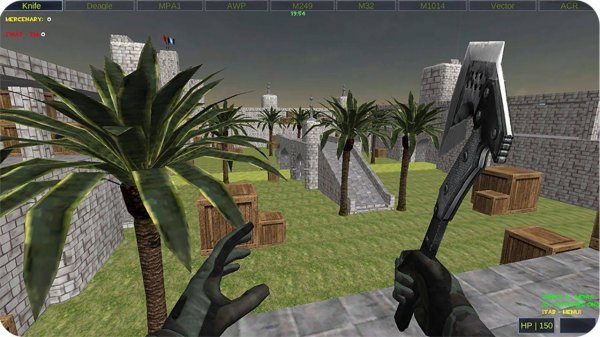
In Cooperative Puzzle Teams: Thinkers & Protectors, players choose between two distinct groups. The Protectors focus on maintaining order and safeguarding objectives, while the Thinkers rely on inventive approaches to overcome obstacles. This contrast creates a balanced experience where each team brings a different perspective to every mission. The game encourages players to explore how different problem-solving styles can complement each other when working toward a common goal.
Mission Structure and Objectives
Each mission presents a unique set of challenges that require logical thinking and coordination. Tasks may involve collecting items, reaching designated points on the board, or solving environmental puzzles. The game board is designed to be clear and intuitive, allowing players to focus on strategy rather than complex controls. Missions vary in complexity, ensuring that both younger and older players find suitable challenges. The turn-based nature of the game gives everyone time to think and discuss their next move.
Controls and Accessibility
The game uses simple mouse or touch controls to move characters across the board. This straightforward interface means that even young children can quickly learn how to play. There are no complicated menus or steep learning curves. The focus remains on the puzzle-solving and team coordination aspects, making the game accessible to families with children of different ages. The visual design is clean and colorful, with clear indicators for each character's abilities and mission objectives.
Building Communication and Planning Skills
Success in this game depends on how well players communicate with each other. Before making a move, teams must discuss their strategy and consider how the opposing team might react. This encourages players to think ahead and anticipate different outcomes. The game naturally fosters skills like active listening, compromise, and collective decision-making. These social benefits make it a valuable tool for family game nights or classroom settings where cooperative learning is emphasized.
Replayability Through Different Approaches
Because each team has a different style, replaying missions with the opposite team offers a fresh experience. Players can experiment with various strategies to see which approach works best for each puzzle. This two-team dynamic adds depth without requiring additional content or expansions. The game rewards creative thinking and adaptability, encouraging players to step outside their usual problem-solving habits. Families can return to the same missions multiple times and still find new ways to succeed.





Comments
0 comments