
Symbol Recognition Basics
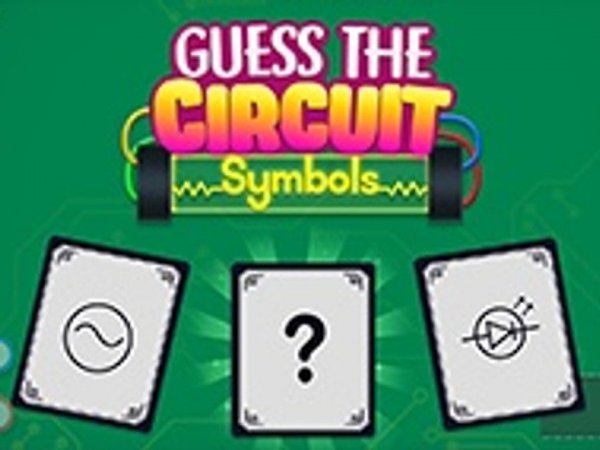
This educational game focuses on building familiarity with the standard symbols used in electrical schematics. Players see a graphical representation of a component, such as a resistor or capacitor, and select the correct name from several choices. Immediate feedback confirms correct answers or shows the right match, reinforcing learning without frustration. The clean layout ensures clarity, making it suitable for beginners in electronics.
Progressive Challenge Design
The game introduces symbols gradually, starting with common components like batteries and switches. As players advance, more complex symbols appear, including transistors, diodes, and integrated circuit outlines. This structured approach prevents overwhelm and allows knowledge to build step by step. Each correct answer moves the player forward, while mistakes prompt a quick review of the correct answer.
Self-Paced Study Environment
No timers or pressure means learners can take as long as needed to study each symbol. This format works well for students, hobbyists, or anyone curious about electronics who wants to learn at their own speed. The game tracks progress across sessions, so returning players continue from where they left off without repeating earlier content.
Visual Clarity and Accessibility
The interface uses high-contrast symbols on a plain background, reducing visual clutter. Text labels are large and easy to read on various screen sizes. This thoughtful design supports focused study and minimizes distractions, helping users concentrate on the material rather than navigating complex menus.
Memory Reinforcement Strategies
Repeated exposure through gameplay helps cement symbol-component associations. The game encourages periodic review by cycling through previously learned symbols alongside new ones. This spaced repetition technique improves long-term retention, making it a practical tool for exam preparation or practical electronics work.


















Comments
0 comments